
Veterinary Pain Management in Muncy, PA
Care That Keeps Pets Comfortable
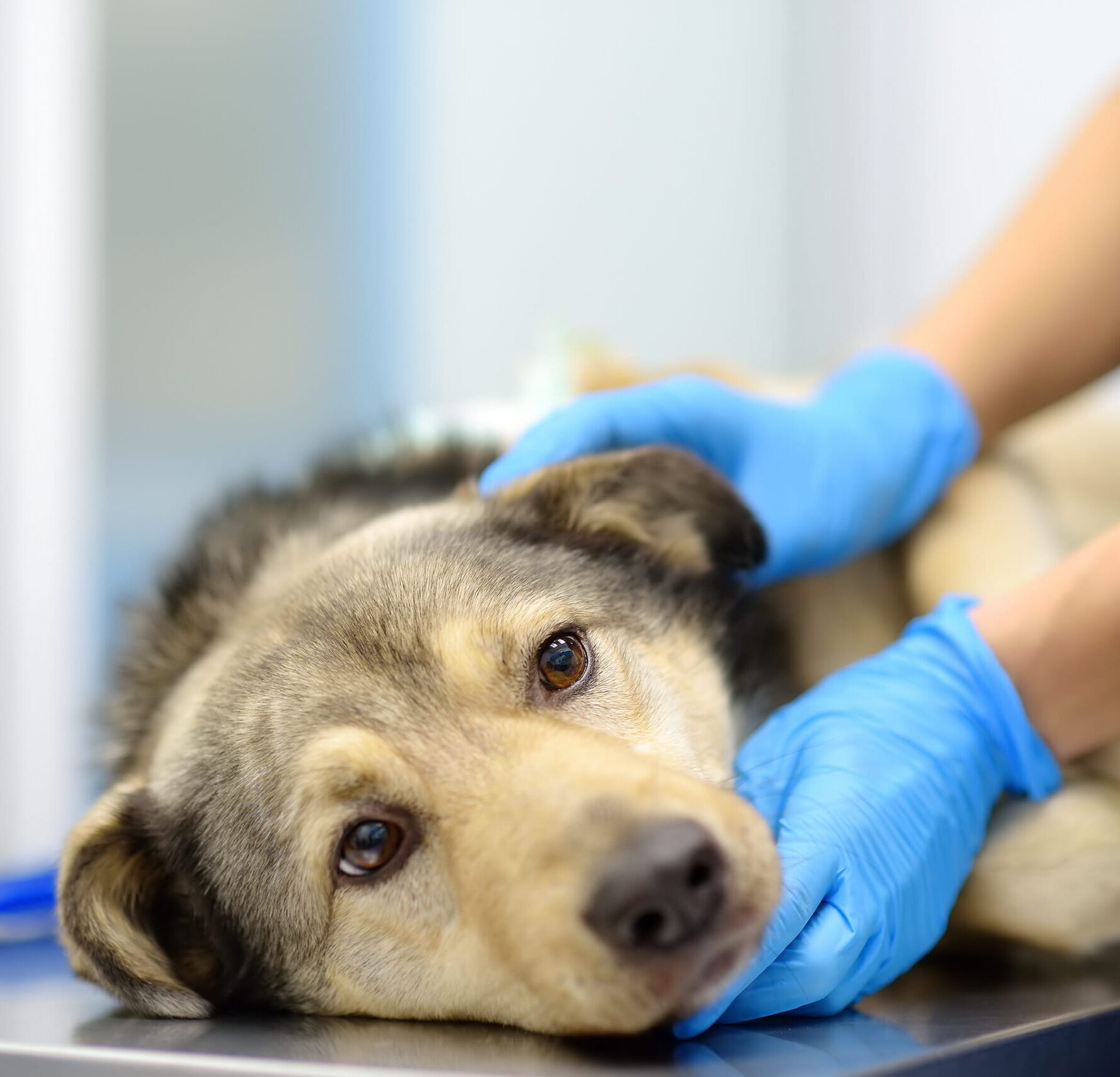

When your dog won’t settle at night, or your cat has stopped jumping onto the couch, something hurts, and you want help that actually works. At Muncy Veterinary Center, we treat pain as seriously as any diagnosis. Our team offers veterinary pain management in Muncy, PA for dogs, cats, and the less common pets many clinics don’t see, whether that’s a dog coming home after surgery or an older cat with stiff joints. We take an aggressive approach on purpose. Pain that’s left alone tends to get harder to control, and we’d rather get ahead of it. If you’re worried your pet is uncomfortable, you’re in the right place, and we’ll take the time to figure out what’s going on.
Pain care here starts with an exam and a conversation. We look at how your pet moves, sits, and reacts to touch, and we ask what you’ve noticed at home, because you see the small changes we can’t. From there, Dr. Lloyd Reitz builds a plan around multimodal analgesia, which means using several treatments that block pain at different points along the nervous system instead of leaning on one drug at a high dose. A plan might pair medications with cold laser therapy, oxygen therapy, or a monthly arthritis injection. For surgery, pain medicine is given before the first incision so your pet wakes up more comfortable. For long-term conditions like arthritis, we recheck and adjust over time, since a plan that works in spring may need a change by winter.
Pets hide pain well, cats especially, so many owners don’t realize how much their pet was hurting until the right treatment kicks in and the old personality comes back. That’s why we rely on preemptive pain control and combined therapies. Lower doses of several medications that work together give stronger relief with fewer side effects than a big dose of one. This matters even more if your pet is older, has kidney or liver concerns, or doesn’t tolerate a certain drug, because we have more than one route to try. Anxious pets and worried owners get the same unhurried attention here. Birds, reptiles, ferrets, rabbits, and other small mammals receive pain care built for their species, not borrowed from a dog’s chart.
What Is Pain Management for Pets?
Pet pain management is the medical work of identifying, assessing, and treating pain in animals through medications, physical therapies, and changes at home. It covers short-term pain, like recovery after surgery or an injury, and chronic pain management for conditions that linger, such as arthritis, dental disease, or back problems. Care starts with an honest look at how much your pet hurts and why, then matches treatment to the cause. Home changes count too. A rug on slick floors or a ramp to the car can take real strain off sore joints.
How Do I Know if My Dog Is in Pain?
Watch for changes in how your dog moves, stands, and behaves. Dogs often hide discomfort to avoid showing weakness, so the signs of pain in dogs tend to be quiet:
- Shifting positions over and over, as if they can’t get comfortable
- Limping, stiffness after resting, or trouble with stairs and car rides
- Withdrawing and becoming less social
- Eating less or losing interest in treats
- Hiding, or growling and snapping when touched or approached
A dog who snaps at a familiar hand usually isn’t being bad. That’s often pain talking. If a few of these changes last more than a day or two, schedule an exam.
What Are the Signs of Pain in Cats?
Look for subtle changes in behavior, grooming, mobility, facial expression, and posture. Cats are even better than dogs at masking discomfort, so the signs of pain in cats are easy to write off as normal aging. A painful cat may hide more, spend less time with the family, or turn irritable or even aggressive depending on how much they hurt. You might notice a greasy patch along the back where grooming has become uncomfortable, or a cat who no longer jumps to favorite spots. Accidents outside the litter box can point to pain too, since stepping over a high edge hurts arthritic hips.
What Is Multimodal Pain Management for Pets?
Multimodal pain management combines several medications, physical therapies, and lifestyle changes so pain gets blocked at different points along the nervous system’s pain pathway. Pain starts at the injury, moves along the nerves, and gets processed in the spinal cord and brain, so a single drug only covers part of that route. Many pain medications also have synergistic effects, meaning they’re stronger together than either is alone. Dr. Reitz uses that synergy on purpose, choosing lower doses of each drug for better comfort and a smaller chance of side effects. It’s the same proactive, multimodal approach to pain in dogs and cats now recommended across veterinary medicine.
What Is Preemptive Pain Control and Why Does It Matter?
Preemptive pain control means giving pain medication before a painful event, such as a surgical incision, rather than after the pain starts. It matters because of a process called wind-up. When pain signals fire again and again, the nervous system becomes more sensitive and starts amplifying them, so the same injury feels worse and takes more medication to calm down. Stopping or limiting wind-up before it begins is much easier than chasing pain after surgery. That’s why our surgical patients receive pain-relieving medication before their procedure, alongside human-grade anesthesia and monitoring.
How Do Veterinarians Decide Which Pain Medication to Use?
We decide by weighing the type and severity of the pain, the species, your pet’s overall health, and the possible side effects of each drug. Species matters a great deal, since cats process many drugs differently than dogs, and a medication that’s routine for one animal can be dangerous for another. Bloodwork is often part of the decision for long-term treatment, because the kidneys and liver clear most drugs from the body. Your routine matters too. A pill twice a day isn’t realistic for every cat, and a plan you can follow beats one that sits in the cabinet.
Which Pain Medications Do Veterinarians Commonly Prescribe for Pets?
Most pet pain medication falls into a few groups, and plans often combine two or more:
- NSAIDs (nonsteroidal anti-inflammatory drugs) made for dogs or cats to reduce inflammation and pain
- Gabapentin, often used for nerve-related and chronic pain
- Opioids for moderate to severe short-term pain, such as after surgery
- Nerve blocks and numbing agents that stop pain in one area during a procedure
- Monthly arthritis injections, such as Librela for dogs and Solensia for cats
Please never give your pet a human pain reliever. Ibuprofen, naproxen, and acetaminophen can cause serious harm, and acetaminophen is especially dangerous for cats.
What Pain Relief Options Are Available Besides Medication?
Cold laser therapy, oxygen therapy, rehabilitation, and changes at home can ease pain on their own or reduce how much medication your pet needs.
- Cold laser therapy uses light energy to calm inflammation and support healing, and most pets need no sedation for it
- Oxygen therapy adds support during recovery and long-term comfort care
- Our rehabilitation and long-term care program builds strength, mobility, and daily function
- Weight control, traction on slippery floors, and ramps or pet steps reduce strain on sore joints
These options are especially useful for pain relief for dogs with worn joints and pain relief for cats whose kidney health limits which medications are safe.
Can Birds, Reptiles, and Small Mammals Receive Pain Relief Too?
Yes. Birds, reptiles, ferrets, rabbits, and other small mammals feel pain and benefit from treatment just as much as dogs and cats do. The challenge is that many of these species are prey animals, wired to hide weakness so predators won’t notice. A rabbit in pain may simply sit still and stop eating, which can quickly become serious. A bird may stay fluffed up and quiet, and a reptile may stay tucked away and refuse food. Drug choices and doses differ widely by species. We care for exotic patients with the same attention we give every dog and cat.
What Happens if My Pet Gets Too Much Pain Medicine?
Too much pain medication can cause poisoning, severe organ damage, or even death. More often, side effects depend on the type of medication:
- NSAIDs can cause stomach upset, vomiting, diarrhea, or black, tarry stool
- Gabapentin can cause drowsiness and sedation
Give every dose exactly as labeled and tell us about any supplements or drugs your pet already takes. If you suspect an overdose or see unusual side effects, call or text us right away. Outside our hours, contact an emergency animal hospital immediately rather than waiting until morning.
Why Choose Muncy Veterinary Center for Pain Management
Pets here get pain care from a practice that treats comfort as part of the medicine. Dr. Reitz holds a master’s degree in cellular biology along with his DVM, and he keeps researching new treatment options so his patients have access to progressive care. He’s also a former president of the state veterinary medical association. Our full range of veterinary services lets a pain plan draw on in-house diagnostics, a surgical laser center, hospitalization, and rehabilitation under one roof. We’re family-owned, honest about what your pet truly needs, and happy to walk you through every part of the plan.
Plan Your Pet’s Pain Relief with Muncy Veterinary Center
If your dog is still pacing at night or your cat has given up the windowsill, there’s no reason to wait and see. Muncy Veterinary Center in Muncy, PA builds pain plans around your pet’s species, health, and daily routine, and if the first approach isn’t the right fit, we have other options ready to try. Call, book online, or contact our team to schedule a pain evaluation for your pet. We’re open Monday through Thursday from 8 a.m. to 6 p.m. and Friday from 8 a.m. to 3 p.m.
We are Ready to Welcome You and Your Best Friend!
Call us or book online
to see how our care can make a difference.